Initiative

Community Advisory, Resource, and Education (CARE)

About CARE

The Community Advisory, Resource and Education (CARE) model places field staff throughout the United States, with the goal of creating tangible assistance for communities in the prevention of (and response to) targeted violence. Modeled after the 20+ year German paradigm of mobile advisory units, the CARE model provides on-site trainings, support and resources to those impacted by hate, discrimination and supremacist ideologies, as well as target groups susceptible to radicalization.

After a two-year pilot in Michigan and Georgia, PERIL is working to identify local public sector, private sector and philanthropic partners to expand the Community Advisory, Resource, and Education (CARE) model nationwide to empower community solutions that are grounded in evidence, tailored to current threats, and connected to national prevention infrastructure.

Community Advisory Resource & Education logo

Approach And Goals

PERIL’s CARE staff deliver evidence-based community interventions, workshops, and guides – bringing together stakeholders, community leaders, and strategic partners to create programs that are informed nationally but aligned with local context.  CARE’s model is four-pronged:  

  1. Community: Build, nurture, and support a local network of community members committed to the prevention of HFPV, creating a networked resilience system that remains informed on emerging issues and is poised to react; 
  1. Advice: Inform crisis response for community members who encounter concerning behavior, providing tailored resources so non-experts have accessible, evidence-based methods;  
  1. Resources: Create toolkits, curricula, and guides that are informed from evidence and national best practices, yet tailored for local parents, educators, clergy, policymakers, and anyone who has a role supporting the community, with a specialization in youth resources; and 
  1. Education: Build capacity among “prevention’s first responders” like parents, educators, clergy, and counselors can build community “antibodies” so the locality can identify risk factors and know how to act. 


Interested in bringing CARE to your community?


How will CARE Centers support you and your community?

1

Equip communities with the tools first to recognize warning signs of targeted violence and then effectively to intervene.

2

Create transparent and accessible workshops, trainings, guidelines, and other resources for community members, educators, mental health practitioners, and policymakers.

3

Design interventions that help communities prevent supremacist violence using ethically-vetted rigorous research methods including statistical pre- and post-testing, ethnographic observation, interviews, and focus groups.

4

Utilize insights learned from community-rooted, evidence-informed interventions to better guide policy recommendations while working with localized networks to deliver such recommendations

Resources

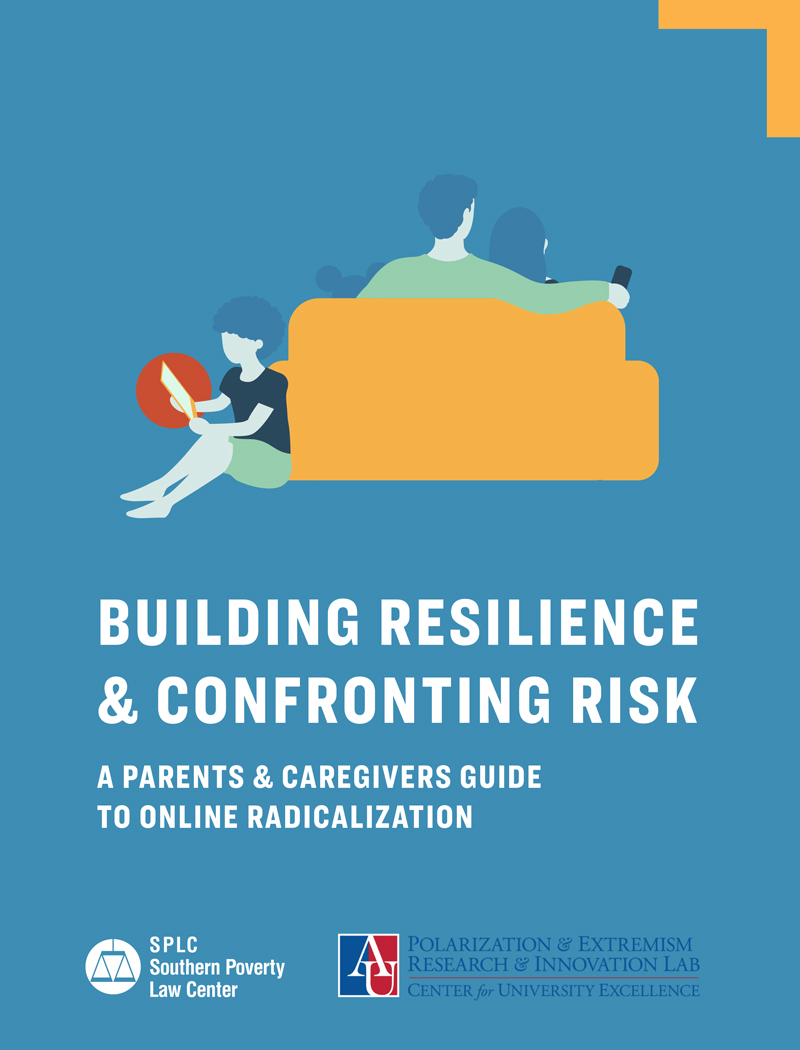
Building Resilience & Confronting Risk: A Parents & Caregivers Guide to Online Radicalization

Report

Parents and Caregivers Guide

  • A guide for parents, caregivers, and anyone who lives or works with youth that equips them with tools to address radicalization.

  • Understand the drivers of radicalization, and how/why extremists strategically target youth for exploitation.

  • Learn to recognize and respond to extremist propaganda and radicalization warning signs.

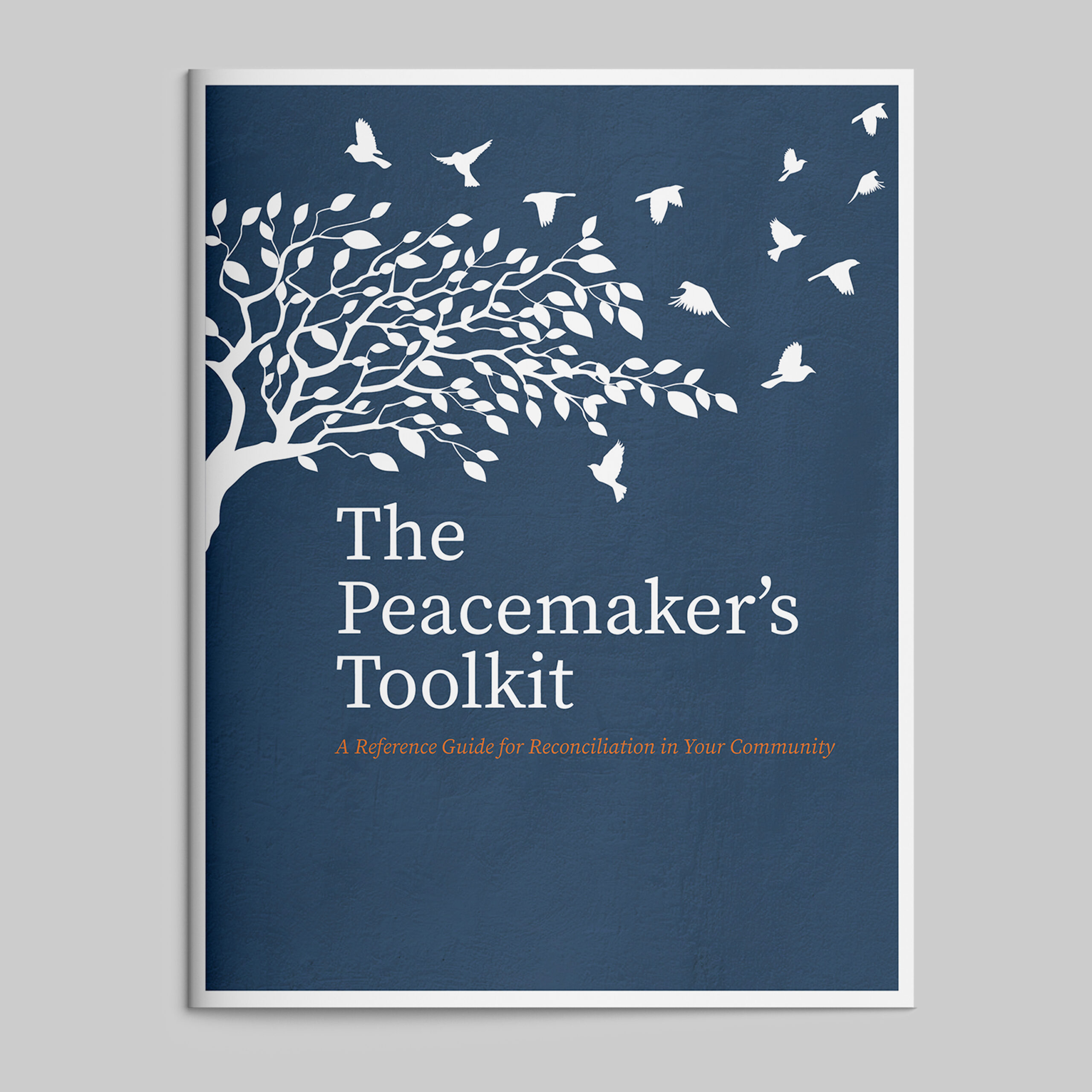
The Peacemaker’s Toolkit

Publication

Peacemakers Toolkit

  • A guide to peacemaking and building community resilience, designed for faith leaders who are concerned about radicalization within their communities of worship.

  • The “what” of peacemaking: defining peace within your community and frameworks for taking action.

  • The “how” of peacemaking: example scenarios to help you visualize common dilemmas faced by peacemakers and ways to respond.

  • The “why” of peacemaking: origins, patterns, and challenges in building resilience and preventing radicalization.

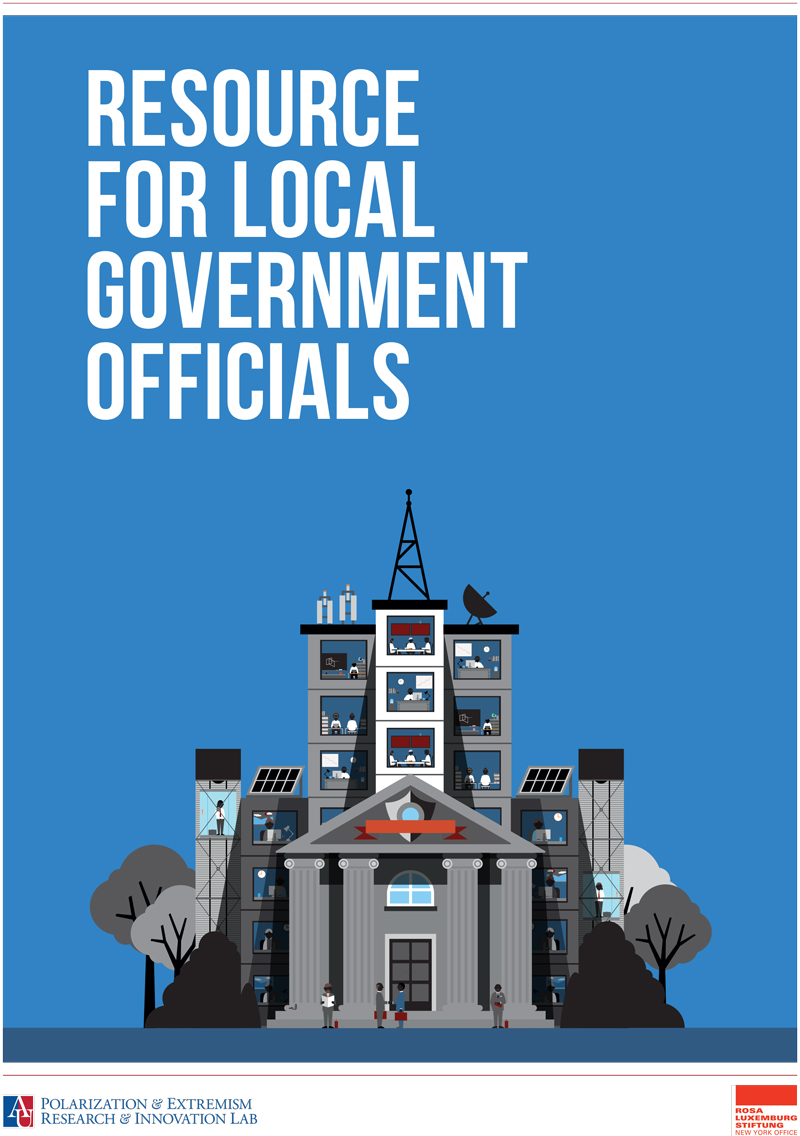
Private: Resource for Local Government Officials

Report

Resource for Government Officials

  • Designed to help government officials address radicalization and extremism.

  • Why local governments and politicians are targets, how to prepare for a political event with the potential for the presence of bad actors, and how to assess the seriousness of a threat.

  • How to respond to disruptions, harassment, or threats, and what to do in the aftermath.

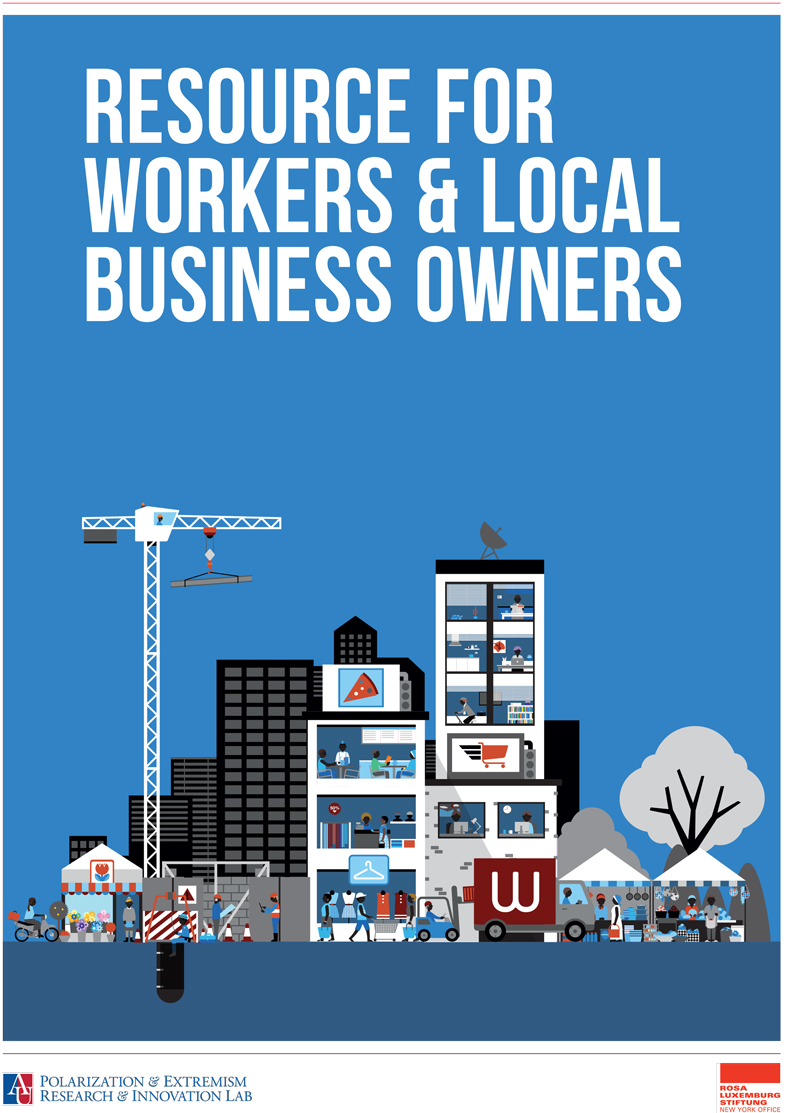
Private: Resource for Workers & Local Business Owners

Report

Resource for Workers and Local Business Owners

  • Designed for dealing with extremism at work. Addressing situations in which violent extremists speak out or plan to conduct activities inside places of business.

  • Common ways extremists use local businesses to further their agenda, and actions you can take to limit their patronage.

  • Contracts and terms to include in them.

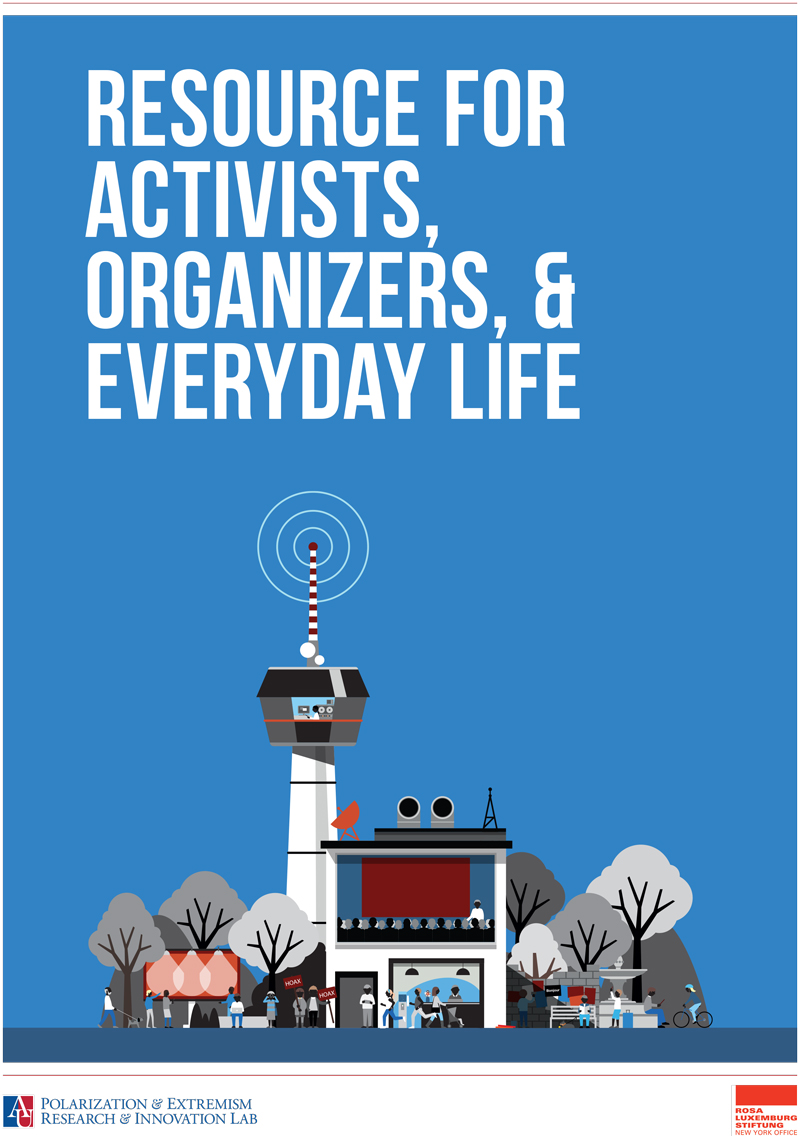
Private: Resource for Activists, Organizers & Everyday Life

Report

Resource for Activists, Organizers, and Everyday Life

  • Designed for people participating in political activism to stay safe, and for people who want to stand up to extremists encountered in everyday life.

  • Helpful preparations for events, how extremists typically engage with activists, and how to respond safely.

  • Civic courage in everyday life – speaking up, helping people and reacting to extremism. Examples of how to respond in difficult situations, and red flags for extremist thinking.

Building Networks & Addressing Harm

Report

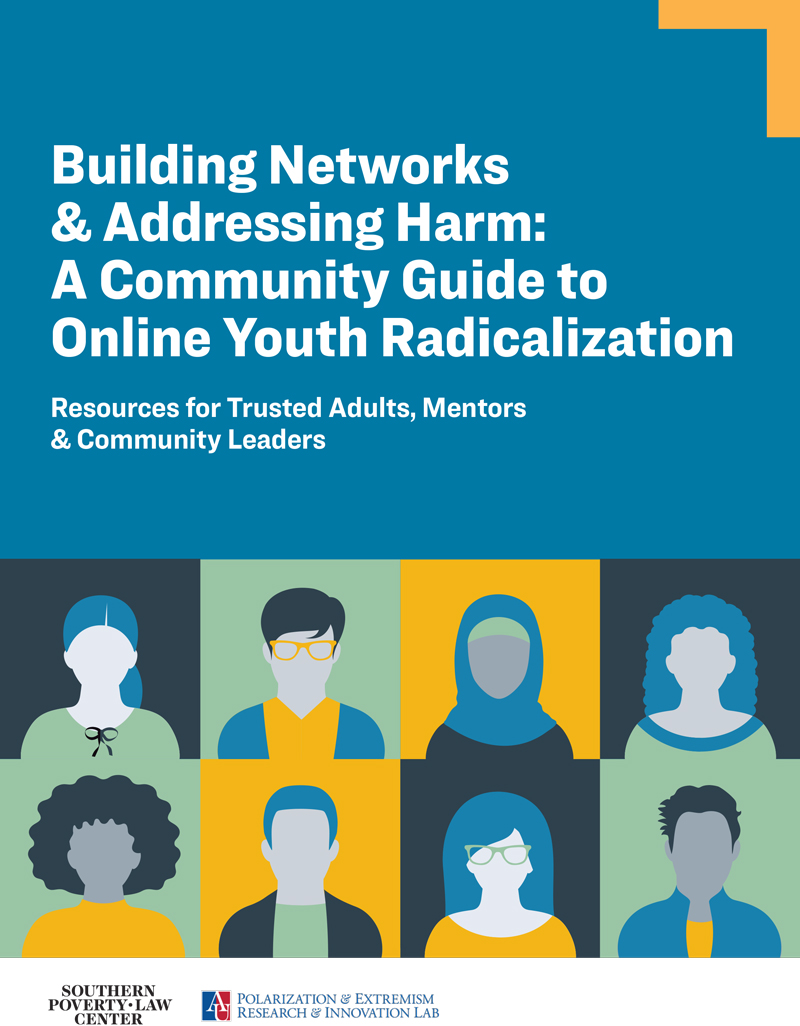
Building Networks & Addressing Harm: A Community Guide to Online Youth Radicalization

  • A guide that provides tools to trusted adults and community members to engage with young people who display warning signs and help them become less susceptible to radicalization.

  • Strategies used by extremists to recruit new members, as well as strategies for prevention and building community resilience.

  • Factors that affect susceptibility to radicalization, extremism warning signs, and how to respond to hateful rhetoric.
SHARE

Developing & Using Critical Comprehension

DUCC

Stay Updated

Enter your email address to find out about new research, reports and toolkits to help reduce polarization and extremism.